Mobile games eventually become familiar. Players learn the maps, understand the progression systems, memorize popular strategies, and settle into routines. Familiarity is useful for retention, but too much of it can make even a polished game feel predictable.
Limited-time modes offer a way to interrupt that routine.
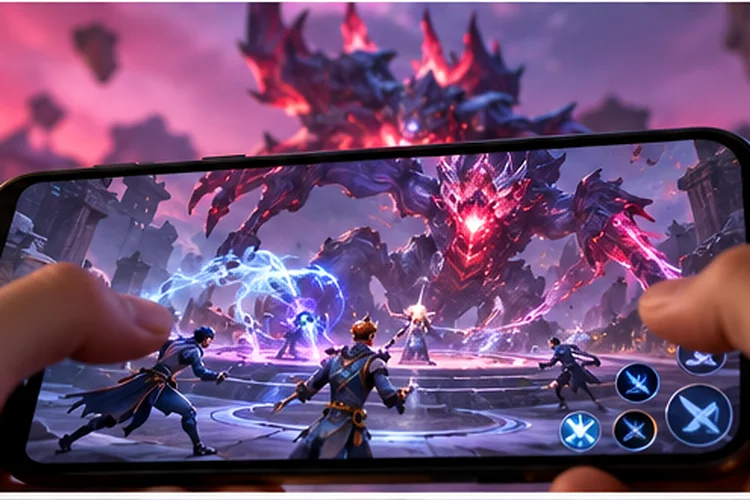
A temporary PvE challenge, unusual rule set, experimental map, cooperative boss fight, or nostalgic mode can give inactive players a reason to reopen the game without permanently changing its core design.
That is why limited-time modes and their impact on player re-engagement deserve attention as part of a broader LiveOps strategy.
LiveOps has become central to modern mobile gaming because rotating challenges, events, rewards, and new experiences give players ongoing reasons to return.
Adjust reported that games using LiveOps generated a large majority of mobile in-app purchase revenue in 2024, although revenue performance naturally varies by title and market.
The important question is not whether temporary content creates a short activity spike.
It is whether returning players still want to play after the mode disappears.
Limited-Time Modes Break Established Player Routines
Players who stop opening a game are not always dissatisfied.
Sometimes they simply feel they have already seen enough.
A temporary mode can change that perception quickly because it introduces something that cannot be experienced through the normal gameplay loop.
Brawl Stars provides frequent examples. Its 2026 updates introduced seasonal modes, PvE encounters, temporary modifiers, Daily Contests, and events such as Topple the Tower alongside its permanent modes.
In June 2026, Supercell also introduced cooking-themed modes that changed normal combat objectives by asking teams to collect ingredients and complete recipes.
That kind of rule change creates novelty without requiring an entirely new game.
For a returning player, novelty is particularly valuable because it answers the question, “What is different since I left?”
The stronger the answer, the more convincing the reason to reinstall or reopen the game.
Scarcity Can Create a Strong Reason to Return Now
Permanent content can always be played later.
Temporary content cannot.
That makes limited availability a powerful re-engagement tool.
If a mode runs from Friday through Monday, someone who is mildly curious cannot simply postpone playing for three months. The opportunity has a clear window.
However, scarcity works best when the experience itself is interesting.
Simply putting a countdown timer on ordinary gameplay rarely creates meaningful excitement. The mode should offer unusual mechanics, distinctive rewards, social participation, or some other experience players would genuinely miss.
Brawl Stars’ Formula Brawl event in June 2026 illustrates the value of a defined window. The event ran for several days across multiple rounds, combining predictions, race outcomes, leaderboards, and rewards.
The deadline created urgency, but the structure gave that urgency a purpose.
Scarcity should make players curious, not anxious.
Nostalgia Can Be Especially Effective for Returning Players
Not every limited mode needs a completely new concept.
Sometimes the strongest re-engagement tool is an old one.
Veteran players may return when a game revives a retired map, classic ruleset, older reward style, or recognizable version of the game they remember.
Nostalgia reduces the learning barrier.
A returning player does not need to understand ten new progression systems immediately. Instead, they encounter something familiar with enough novelty to feel worth revisiting.
Supercell used this idea with its Classic Brawl event, which brought back older-style elements and introduced temporary modes such as Mirror Match and Drum Roll.
Mirror Match put everyone on the same Brawler, while Drum Roll changed the player’s character after each elimination.
The important design lesson is not simply “bring old content back.”
Combine recognition with a twist.
That creates emotional familiarity without making the event feel like a recycled rerun.
Temporary Modes Let Developers Experiment Safely
Limited availability is useful for players, but it is also useful for development teams.
A permanent mode is a major commitment. It may require long-term matchmaking support, balance work, economy integration, tutorials, and ongoing maintenance.
A temporary mode can function as a controlled experiment.
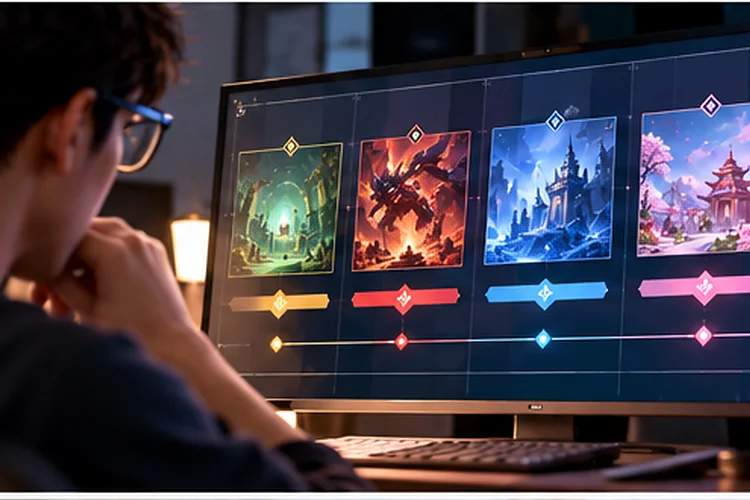
Teams can test whether players enjoy unusual objectives, shorter match structures, cooperative mechanics, different team sizes, or experimental modifiers before deciding whether those systems deserve a permanent place.
Firebase Remote Config and A/B Testing support this kind of iterative development by allowing teams to test features and engagement campaigns with selected audiences and monitor metrics such as retention and revenue.
That creates a valuable feedback cycle.
Launch the temporary experience, observe participation and return behavior, improve the concept, and decide whether to rerun, modify, expand, or retire it.
Limited content can therefore act as a low-risk innovation laboratory.
Social Modes Can Reactivate Entire Friend Groups
Re-engagement does not always happen one player at a time.
Sometimes one returning player brings three others.
Temporary cooperative modes, guild events, team challenges, and community goals can reactivate social groups because participation becomes more enjoyable when friends return together.
This is especially useful in games where inactive players originally stayed because of social connections rather than progression alone.
Supercell’s 2026 events repeatedly used community-wide structures. The Brawlentines event required the community to achieve shared takedown goals, while the September 2026 Duolingo collaboration included community challenges and multi-phase event objectives.
Social reactivation creates a multiplier effect.
A player may ignore a generic notification saying that a new event has started.
They may pay much more attention when a friend messages, “Come back tonight, we need one more player.”
The mode becomes a social appointment rather than another piece of content.
Make Returning Players Competitive Quickly
Limited modes can fail at re-engagement when returning players immediately discover that they are hopelessly behind.
Imagine someone who has not played for six months.
They return because a temporary mode looks fun, only to discover that competitive success requires characters, upgrades, or equipment they missed while away.
The mode has attracted them back and then immediately reminded them why returning feels difficult.
Temporary content can solve this by standardizing parts of the experience.
Brawl Stars’ Topple the Tower event, for example, uses a curated character pool and maxed-out Brawlers for the event, reducing some of the normal progression differences between participants.
This principle can be applied broadly.
Loan characters, normalized stats, temporary equipment, preset loadouts, or special event progression can let returning users become useful quickly.
Re-engagement works better when the comeback feels welcoming rather than punishing.
Connect the Mode to Meaningful but Achievable Rewards
Novel gameplay may create the first return session.
Rewards can help create the second.
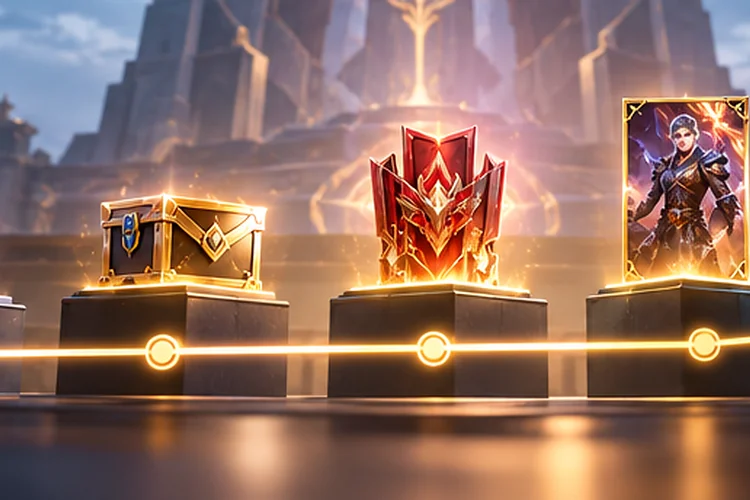
A temporary mode can offer cosmetics, profile customization, event currency, progression materials, or collectible rewards tied directly to participation.
The challenge is avoiding excessive grind.
If someone returns because the mode looks interesting and then discovers that the headline reward requires four hours of play every day, the comeback may be short-lived.
Reward pacing should create early wins.
A returning player could receive something useful after the first few matches, another milestone after moderate participation, and an aspirational cosmetic for deeper engagement.
This makes the mode feel relevent even to players who cannot complete everything.
Do not make the entire value proposition depend on reaching the final tier.
Use Messaging Carefully to Bring Players Back
Players who are no longer opening the game may never see an in-game event banner.
External re-engagement channels therefore matter.
Push notifications can announce the return of a popular mode, a major collaboration, or a limited reward. The message should explain what is genuinely different rather than using generic wording such as “We miss you!”
Unity includes push notifications alongside analytics, remote configuration, leaderboards, triggers, and other tools within its LiveOps ecosystem.
Firebase Remote Config can also target experiences or incentives toward specific groups, including longer-term users, and test different approaches without shipping a full application update.
Segmentation matters.
A veteran player might respond to “Classic mode returns this weekend,” while somebody who left after struggling with progression may respond better to a comeback reward.
The notification should answer why returning today is worthwhile.
Avoid Overusing Limited Modes
Temporary modes lose their power when everything is temporary.
If five special modes rotate simultaneously, none of them feels especially special.
Players can also become tired of repeatedly learning new rule sets that vanish before mastery develops.
A strong LiveOps calendar therefore alternates familiar gameplay with temporary disruption.
Think of limited modes as peaks.
They can revive interest between larger updates, support seasonal events, create collaboration moments, or fill gaps in the content calendar.
But the permanent core game still needs to remain satisfying.
Brawl Stars itself maintains regularly rotating standard and special game-mode slots rather than treating every activity as one endless limited event.
Temporary content should refresh the core experience.
It should not make the core experience feel irrelevant.
Measure Whether Players Stay After Returning
The biggest mistake is judging a limited mode only by participation.
Suppose 200,000 inactive players return during an event.
That sounds fantastic.
But what happens seven days later?
If almost all of them disappear the moment the mode ends, the event produced reactivation without meaningful retention.
Post-launch analytics should therefore examine return behavior, retention cohorts, session frequency, monetization, and LiveOps participation together.
GameAnalytics emphasizes retention and ARPDAU as particularly important metrics for understanding the health of a live mobile game after launch.
Useful cohorts might include players who were inactive for 7, 30, or 90 days before returning.
Then compare what they do after participating.
Did they explore permanent modes?
Did they join a guild again?
Did their session frequency remain elevated?
The best temporary mode does not merely create a comeback.
It rebuilds a habit.
Limited-time modes can be powerful re-engagement tools because they combine novelty, scarcity, social energy, and clear reasons to return.
They work particularly well when returning players can participate quickly, earn meaningful early rewards, reconnect with friends, and experience something noticeably different from the routine they previously left behind.
But temporary activity spikes should not be confused with long-term success.
Design the mode as a bridge back into the wider game. Measure what returning players do after the event, avoid overwhelming them with grind, and give them reasons to continue once the countdown ends.
For your next limited mode, track one simple question: how many returning players are still active a week after it finishes?
That number tells you whether the event merely attracted attention – or genuinely rebuilt engagement.