
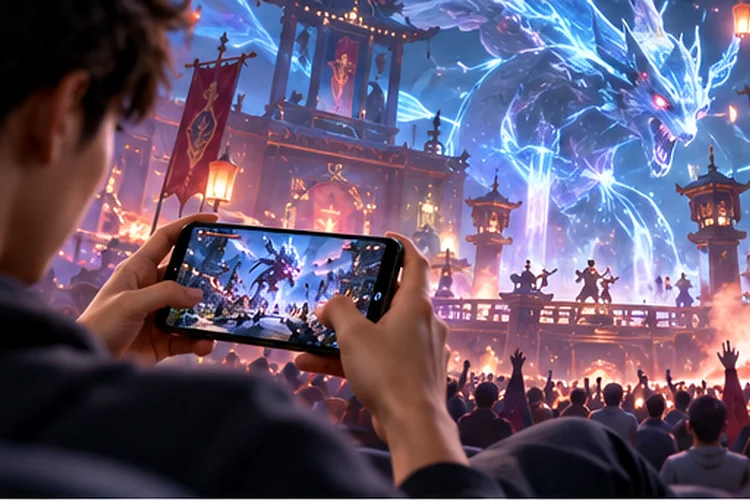
A mobile game can have excellent mechanics and still become predictable after players repeat the same core loop for several months.
That is where live events become important.
Limited-time challenges, seasonal competitions, cooperative goals, leaderboard races, bonus progression, themed content, and special reward tracks give players new reasons to return without requiring developers to rebuild the entire game.
But advanced live event design for sustained mobile game engagement involves much more than adding a countdown timer and exclusive reward.
A strong event needs the right duration, difficulty curve, reward pacing, target audience, social structure, and connection to the wider game economy. It also needs enough variation to feel fresh without becoming so complicated that players cannot understand what they are supposed to do.
Modern LiveOps platforms reflect this complexity. Unity’s current LiveOps ecosystem includes analytics, remote configuration, leaderboards, push notifications, cloud content delivery, and scheduled triggers specifically to help teams modify and operate live games after launch.
The best events do not simply increase playtime. They make returning feel worthwhile.
Start With a Clear Player Motivation
Every successful event should answer one question immediately:
Why should the player care?
The answer might be competition, collection, progression, exploration, cooperation, mastery, or access to limited content.
Trying to serve every motivation in one event usually produces a confusing experience.
A competitive leaderboard event, for example, can focus on mastery and status. A cooperative community challenge works better when players feel they are contributing toward a shared objective.
GameRefinery tracks more than 35 types of live events and specifically analyzes event formats, durations, themes, monetization effects, and player motivations. That variety shows why LiveOps cannot be reduced to one universal event template.
Design the event around one strong motivation first.
Additional systems can support it, but the main reason to participate should remain obvious.
Create a Predictable Event Cadence
Players enjoy novelty, but they also benefit from predictable rhythms.
If events appear randomly, overlap constantly, or disappear without warning, players can struggle to understand what deserves their attention.
A better approach is to build an event calendar.
For example, a game might run smaller challenges during the week, a competitive tournament every weekend, and a larger themed event once per month.
Seasonal events can sit above that rhythm.
Unity’s LiveOps examples specifically highlight seasonal events as a way to give existing players new content throughout the year while also creating reasons for new players to begin playing.
The exact schedule depends on the genre, but consistency matters.
Players should develop a rough expectation of when meaningful content arrives.
That anticipation becomes part of engagement.
Match Event Length to Player Commitment
An event can be too short.
If players need several hours to understand the rules and build momentum, a two-day event may end before casual users really participate.
An event can also be too long.
A month-long challenge with little variation can stop feeling special after the first week.
Match duration to required effort.
A simple login bonus might last three to seven days. A leaderboard tournament could run over a weekend. A large seasonal event with multiple stages might last several weeks.
GameRefinery’s Live Events Tracker specifically compares different event durations and formats because timing can meaningfully affect player behavior and performance.
The key is making the commitment understandable.
Players should be able to look at the event and quickly estimate whether participation fits their available time.
If completion requires far more effort than expected, enthusiasm can turn into frustraton.
Pace Rewards Across the Entire Event
Rewards determine how participation feels from beginning to end.
If the best prizes arrive immediately, players may stop once they collect them.
If meaningful rewards appear only at the final milestone, early progression can feel empty.
Good reward pacing creates several moments of satisfaction.
Small currency rewards or consumables can maintain momentum. Mid-tier milestones might unlock customization or useful resources. The final stages can contain the most desirable cosmetic, collectible, or prestige reward.
This creates a visible progression curve.
The event economy also needs balance.
Live events can inject large amounts of currency and resources into the game. If rewards are too generous, permanent progression systems may lose value. If they are too weak, participation feels pointless.
Design rewards as part of the wider economy rather than as an isolated giveaway.
Use Social Systems to Increase Emotional Investment
Events become more memorable when players can see other people participating.
Leaderboards are the obvious example.
Unity describes leaderboards as a LiveOps feature that allows players to compare performance and increase competition. Its services can also combine leaderboards with authentication and cloud-side systems for persistent competitive experiences.
However, competition is only one social structure.
Teams can cooperate toward shared milestones. Guilds can compete against other guilds. Entire communities can contribute points toward unlocking a global reward.
These systems create social accountability.
A player might skip a solo challenge without thinking twice but continue participating because their group needs additional points.
Be careful with ranking pressure, though.
Not every event needs to reward only the top 1%.
Participation milestones, personal goals, and group rewards can keep less competitive players involved while still giving elite participants something harder to chase.
Segment Events for Different Player Groups
A new player and a five-year veteran probably should not receive identical event objectives.
Their inventories, skill levels, progression, and available content may be completely different.
Segmentation allows teams to adapt event parameters to meaningful player groups.
Unity’s current Game Overrides tools are designed to create personalized in-game experiences and configuration changes, while Firebase Remote Config can override game parameters for selected segments without requiring users to download a new application version.
This flexibility enables more appropriate difficulty and rewards.
New players might receive introductory event tasks that teach core systems. Experienced players could receive harder objectives or additional prestige milestones.
The goal is not to secretly manipulate individual players.
It is to avoid forcing every player through an identical experience when their progression states are clearly different.
Good segmentation makes events more relevent, not more confusing.
Give Players More Than One Route to Progress
Rigid event objectives can create unnecessary frustration.
Suppose an event requires players to win twenty matches using one specific game mode. Someone who dislikes that mode may simply ignore the entire event.
A better structure provides multiple ways to make progress.
Players might earn event points through competitive matches, cooperative missions, daily challenges, exploration, or normal progression.
This allows people to participate according to their preferred playstyle.
Alternative routes also reduce burnout.
If the only efficient strategy involves repeating one level dozens of times, the event may technically increase engagement while making the game feel less enjoyable.
The strongest events encourage players to explore more of the game rather than repeatedly grind one optimal activity.
Build Catch-Up Mechanics Into Longer Events
Missing two days should not automatically make a three-week event impossible to complete.
Players have jobs, school, travel, family obligations, and countless other games competing for attention.
Catch-up mechanics protect the value of participation.
Weekly challenges can remain available instead of disappearing immediately. Later stages can provide bonus event points. Returning players might receive temporary acceleration.
These systems reduce the fear that missing one session destroys the entire reward path.
They can also support re-engagement.
Unity’s LiveOps tooling includes push notifications and remote configuration, allowing teams to communicate event updates or adjust parameters without publishing a full client update.
The important thing is avoiding a system where players feel forced to log in every few hours.
Healthy engagement encourages return.
It does not demand constant attendance.
Prevent Event Fatigue Through Variation
Running more events does not automatically create more engagement.
Eventually, constant urgency becomes background noise.
Players stop caring about countdowns if another countdown begins immediately afterward.
Vary the intensity.
A large competitive event can be followed by a lighter collection challenge. A demanding seasonal progression track can include relaxed community weekends.
Different structures also let different player motivations take turns.
GameRefinery’s event-analysis tools categorize numerous live-event formats precisely because strong LiveOps portfolios usually involve variety rather than endlessly repeating one mechanic.
Avoid making every event use the same reward currency, leaderboard structure, and mission format.
Players should recognize the overall LiveOps rhythm without feeling that they are completing the same event with a different background.
Variation keeps the system consistant without making it repetitive.
Measure Event Success Beyond Participation
A high participation rate does not automatically mean the event succeeded.
Players may participate once, dislike the experience, and disappear afterward.
Teams need to evaluate what happens during and after the event.
Unity Analytics supports event tracking for actions such as missions started, missions completed, spending, progression, and conversion. This allows developers to build a behavioral picture rather than relying on one headline metric.
GameAnalytics similarly recommends focusing on retention and ARPDAU as major post-launch indicators while analyzing LiveOps performance in context.
Useful event measurements include participation rate, completion depth, session frequency, retention after the event, conversion, reward claims, and changes in spending.
Also examine where players stop.
If thousands of users reach stage six but few continue to stage seven, that transition deserves investigation.
Data should explain the player journey, not merely declare the event popular.
Use Remote Configuration to Iterate Faster
Live events rarely launch perfectly.
Maybe one mission is too difficult. A reward requirement may be too high. A leaderboard threshold may need adjustment.
Waiting for a full app-store update can be too slow.
Firebase Remote Config allows developers to modify behavior and parameters remotely without requiring users to install a new app version. It can also deliver different values to selected audience groups.
Unity offers similar LiveOps functionality through remote configuration, Game Overrides, triggers, analytics, and cloud systems.
This makes iterative event management possible.
However, remote flexibility should not become an excuse to launch poorly tested events.
Use staging environments, validate reward logic, and monitor critical metrics early.
Fast adjustment works best as insurance – not as a replacement for solid design.
Advanced live event design is about creating reasons to return without making players feel trapped by an endless calendar of obligations.
Strong events start with a clear motivation, use sensible durations, pace rewards across the experience, offer multiple progression routes, and introduce social systems where they add genuine value.
Segmentation and catch-up mechanics can make participation more accessible, while variation prevents event fatigue.
Most importantly, measure what players do after the event – not only how many people opened it.
Review your current event calendar and identify where repetition, excessive grind, or poor reward pacing might be weakening engagement.
A successful event should make players curious about what comes next. When LiveOps consistently creates that feeling, engagement becomes far easier to sustain.