Seasonal events can transform a familiar mobile game into something exciting again. A winter festival adds new challenges, a summer event introduces limited cosmetics, and an anniversary celebration gives veteran players reasons to return.
The problem begins when every week feels like another emergency.
Complete twenty missions. Earn the limited currency. Finish the reward track. Join the tournament. Claim daily bonuses. Do it all before another countdown reaches zero.
That is why designing seasonal events without creating player burnout requires more than filling a LiveOps calendar.
Developers need to manage player time, event intensity, reward pacing, progression flexibility, and the psychological pressure created by limited availability.
Seasonal content remains commercially important. GameRefinery reported that more than 90% of the top-grossing 100 iOS mobile games it analyzed used seasonal events, highlighting how deeply they have become embedded in modern LiveOps.
The challenge is not creating more events.
It is making players genuinely look forward to the next one.
Give Every Seasonal Event a Clear Purpose
An event should have a stronger identity than “the normal game, but with pumpkins.”
Players notice when seasonal content is simply an old progression loop with different decorations.
GameRefinery has highlighted this challenge, noting that seasonal events increasingly need to do more than reskin existing mechanics because the format is now extremely common among successful mobile games.
Start by defining the primary player motivation.
A Halloween event might emphasize exploration and collection. An anniversary event could focus on nostalgia and community milestones. A competitive summer tournament might revolve around mastery and ranking.
Not every event needs ten interconnected systems.
A focused event is easier to understand, easier to balance, and less mentally exhausting.
Players should know within a few minutes what they are trying to accomplish and why the reward is worth pursuing.
Build an Event Cadence With Highs and Lows
Running demanding events continuously is one of the easiest ways to create fatigue.
Players have limited attention, time, and energy.
GameDeveloper’s guidance on LiveOps cadence specifically warns against running too many high-intensity events consecutively.
Competitive tournaments, grind-heavy leaderboards, and group challenges can create strong engagement, but continuously stacking them can exhaust even committed players.
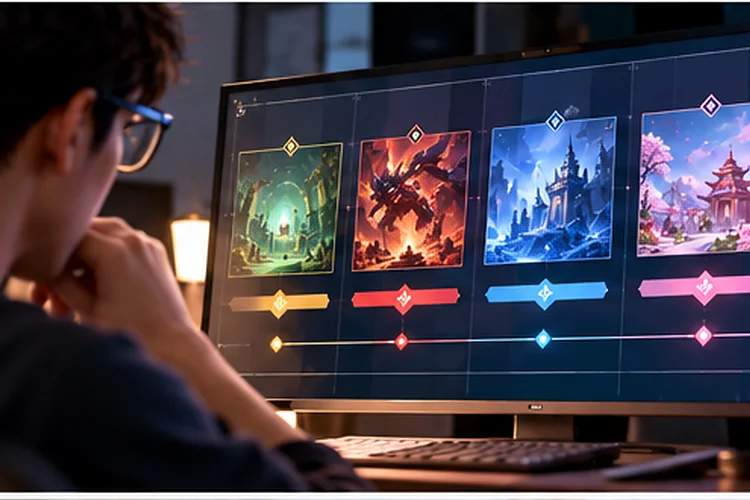
Think of the seasonal calendar as an intensity curve.
A major three-week event could be followed by a relaxed collection week. A competitive leaderboard might come before a low-pressure community challenge.
This creates recovery periods without leaving the game completely inactive.
The rhythm should feel consistant enough that players understand what is happening, but varied enough that every month does not feel identical.
Excitement works partly because it is not permanent.
Stop Stacking Too Many Events at Once
Modern LiveOps increasingly uses multiple simultaneous activities.
GameRefinery has documented mobile titles building busy seasons where several events operate under one broader framework, sometimes connected by shared currencies or event calendars.
That can create depth.
It can also create overload.
Imagine opening a game and seeing six countdown timers, three currencies, two leaderboards, a battle pass, a limited shop, and several daily missions.
Even when each individual feature is reasonable, the combined experience can feel like a checklist.
If multiple events must overlap, connect them clearly.
One activity might contribute progress toward several objectives instead of requiring players to complete completely seperate grinds.
A seasonal calendar can also help players understand what starts next week instead of feeling pressured to complete everything today.
Good LiveOps creates options.
Bad LiveOps creates homework.
Make Progress Possible Without Daily Attendance
Daily engagement is valuable, but mandatory daily participation creates unnecessary pressure.
Players have work, school, travel, family responsibilities, and dozens of other entertainment options.
Missing one Tuesday should not destroy three weeks of event progression.
Long seasonal events benefit from flexible objectives.
Weekly missions can remain available until the event ends. Unfinished challenges can accumulate rather than disappear every night. Event points can come from several activities instead of one narrow mode.
Catch-up mechanics are particularly valuable.
A returning player might receive additional missions during the final week or gain access to bonus progression without automatically receiving the rewards for free.
The distinction matters.
Catch-up design respects player time while still requiring participation.
Seasonal events should reward engagement, not perfect attendance.
Pace Rewards So Every Session Feels Useful
Reward pacing strongly influences whether an event feels exciting or exhausting.
If the only desirable reward sits at the final tier, every earlier session can feel like labor performed for something weeks away.
Instead, distribute smaller moments of value throughout progression.
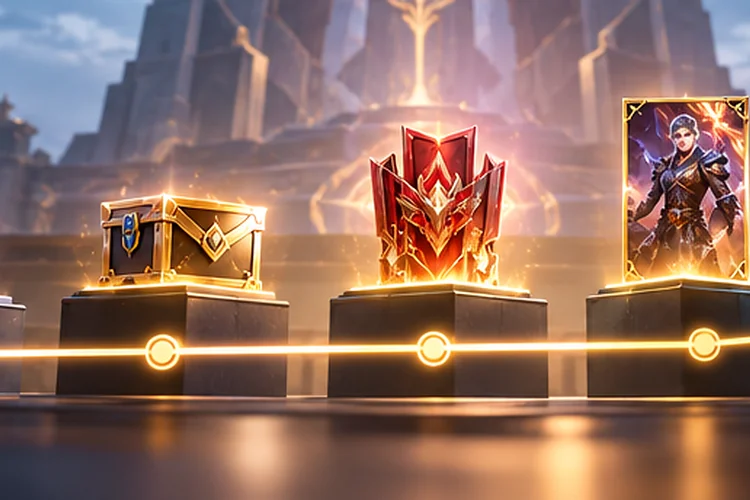
Currencies, customization items, upgrade resources, collectibles, and temporary bonuses can create regular milestones while a premium cosmetic or prestige reward remains the final target.
Unity’s seasonal-event documentation demonstrates this general structure through rotating limited-time activities that combine challenges, event duration, and rewards as part of the event loop.
The most valuable reward should also be realistically achievable.
If average active players discover halfway through the season that completing the track would require dramatically increasing their playtime, motivation can quickly turn into frustration.
Design from actual expected player behavior rather than an idealized player who never misses a session.
Be Careful With FOMO
Limited availability is part of what makes seasonal events interesting.
A Halloween skin feels special partly because Halloween does not last all year.
But scarcity can become excessive.
Constantly telling players that rewards will disappear forever encourages urgency rather than enjoyment. Research into mobile-game dark patterns has identified temporal and psychological pressure among design approaches that can become manipulative when used aggressively.
Not every reward needs to become permanently unobtainable.
Some cosmetics can return next year. Event currencies might convert into another resource after the season. Older rewards could eventually enter a rotating archive.
That does not eliminate exclusivity.
It simply lowers the feeling that skipping one event creates a permanent loss.
Use FOMO as seasoning, not as the entire meal.
Design Multiple Levels of Completion
Not every participant needs to finish everything.
A seasonal event can support several definitions of success.
Casual players might reach the main cosmetic milestone. Regular players can finish the standard reward track. Dedicated players could continue into prestige challenges, competitive rankings, or optional bonus rewards.
This structure prevents the core event from being tuned around the most committed 1% of the audience.
It also gives highly engaged players additional goals without forcing casual players to follow the same schedule.
The important point is making those layers obvious.
Players should understand which rewards represent normal completion and which ones are intentionally difficult prestige objectives.
Optional mastery feels satisfying.
Hidden mandatory grinding does not.
Watch for Burnout Signals in Your Data
A seasonal event can show impressive activity numbers while quietly damaging long-term engagement.
Players may temporarily increase playtime because they feel pressured to finish, then disappear after the event ends.
Recent research examining gaming burnout among long-term players found that burnout can involve emotional exhaustion, reduced feelings of achievement, and detachment, and that it can be associated with intentions to quit playing.
Developers should therefore look beyond event participation.
GameAnalytics recommends monitoring retention alongside monetization metrics such as ARPDAU when evaluating the ongoing health of a live mobile game.
Compare behavior before, during, and after an event.
Did session frequency rise temporarily but collapse afterward?
Did players stop halfway through the progression track?
Did retention weaken among players who participated most intensively?
These signals may reveal that an apparently successful event demanded too much.
Give Players Downtime Between Major Seasons
Downtime does not mean doing nothing.
It means lowering intensity.
A short period between major seasons can feature standard gameplay, small bonus weekends, relaxed login rewards, or lightweight collection goals.
These periods allow players to reconnect with the core game.
They also make the next major season feel more important.
From a design perspective, downtime gives developers room to observe behavior and adjust future content.
LiveOps is inherently iterative; Unity’s current ecosystem combines analytics, Remote Config, Game Overrides, leaderboards, triggers, and other services precisely because live games continuously change after launch.
Constant maximum-intensity content leaves little room for either players or developers to recover.
A sustainble seasonal strategy includes deliberate quiet moments.
Refresh Mechanics Without Rebuilding Everything
Avoiding burnout does not require inventing a completely new game every season.
Familiarity has value.
Players should not need a thirty-minute tutorial every time an event begins.
The stronger approach is usually a familiar framework with one or two meaningful twists.
GameRefinery has observed that developers commonly reuse LiveOps frameworks throughout the year while changing themes, rewards, stories, or selected mechanics.
That makes operational sense and reduces player confusion.
However, repeatedly swapping Christmas trees for pumpkins without changing anything else eventually becomes predictable.
Keep the basic structure recognizable while rotating the activity that makes the event special.
A familiar progression track plus a new cooperative mechanic may be enough.
The goal is controlled novelty.
Ask Whether the Event Respects the Player’s Time
This may be the most useful final test.
Calculate how many hours an average player realistically needs to earn the primary rewards.
Then calculate how many separate login days are required.
What happens if someone starts one week late?
What happens if they miss a weekend?
What happens if they dislike one event mode?
These questions reveal whether an event is flexible or fragile.
You can still create difficult prestige content for highly dedicated players. The problem appears when ordinary completion requires behavior that starts interfering with enjoyment.
An event should create the feeling:
“I want to play tonight because there is something cool happening.”
Not:
“I have to play tonight or I lose something.”
That difference is where healthy long-term engagement begins.
Seasonal events work best when they add rhythm to a mobile game rather than turning it into an endless schedule of obligations.
Balance demanding events with lighter periods, avoid excessive event stacking, provide catch-up routes, pace rewards throughout progression, and keep the main goals achievable without perfect daily attendance.
Limited-time content can remain exciting without making every reward permanently disappear.
Most importantly, measure what happens after the event ends. Higher playtime during a season means little if exhausted players leave immediately afterward.
Review your next seasonal calendar from the player’s perspective. Count the required hours, overlapping objectives, currencies, and deadlines. Remove anything that creates pressure without adding meaningful fun.
Players who finish a season excited for the next one are far more valuable than players who finish it simply relieved that it is over.